Introduction
The best time to visit Jiuzhaigou depends on what you want to see: colorful autumn forests, powerful summer waterfalls, peaceful winter snow scenery, or fresh spring greenery. Each season offers a completely different experience.
Jiuzhaigou National Park, a UNESCO World Heritage Site in Sichuan Province, is famous for its turquoise lakes, multi-tier waterfalls, alpine forests, and snow-capped peaks. Because the park sits between 2,000–3,100 meters (6,500–10,000 ft), seasonal changes are dramatic and visually spectacular.
This in-depth guide explains:
- Best season to visit Jiuzhaigou
- Detailed monthly weather breakdown
- Autumn foliage peak timing
- Water level differences by season
- Winter snow travel conditions
- What to wear each season
- Recommended travel routes
- Photography strategy
- How to avoid crowds
Quick Answer: When Is the Best Time to Visit?
- Most Beautiful Overall: Mid-October to early November.
- Best Waterfalls: July–August
- Fewest Tourists: December–March
- Best Weather + Moderate Crowds: May & Late September
Strong Recommendation: Avoid National Day Holiday (Oct 1–7)
We strongly advise travelers not to visit Jiuzhaigou during China’s National Day Holiday (October 1–7), commonly known as “Golden Week.” While July to September is already considered peak season, the National Day holiday represents an extreme surge in visitor numbers. During this period, the park receives an overwhelming influx of domestic tourists.
This results in:
- Long shuttle lines and crowded boardwalks
- Reduced sightseeing quality and limited photography space
- Higher accommodation prices and limited availability
Prolonged high-density visitation also places significant pressure on park management and environmental protection. Jiuzhaigou’s ecosystem is naturally fragile. If you wish to experience Jiuzhaigou at its most beautiful and peaceful, we recommend planning your visit either before September 30 or after October 8.
2025 Jiuzhaigou Visitor Trends
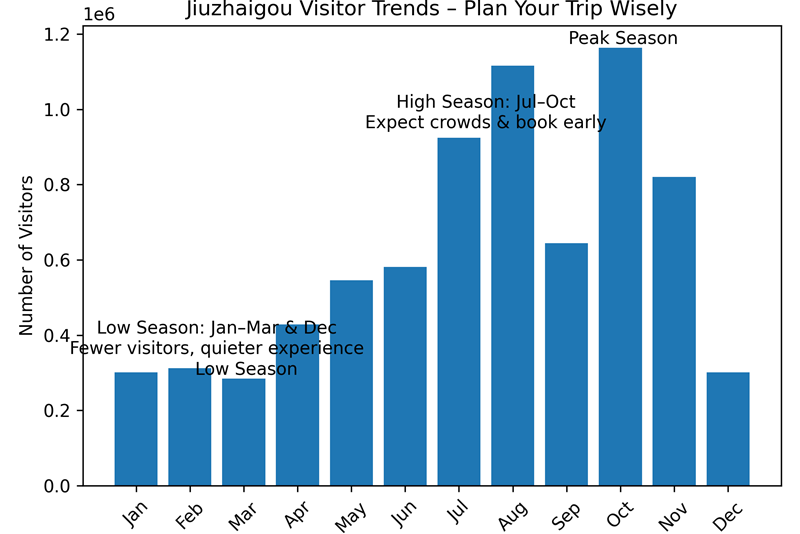
Visitor numbers increase steadily from spring, peak between July and October, and reach the annual high in October. Winter months (January–March and December) see significantly fewer tourists, making them ideal for travelers seeking fewer crowds.
This seasonal distribution clearly shows why Golden Week creates extreme visitor pressure. Planning your trip slightly outside peak windows can dramatically improve your experience.
Spring (March–May)
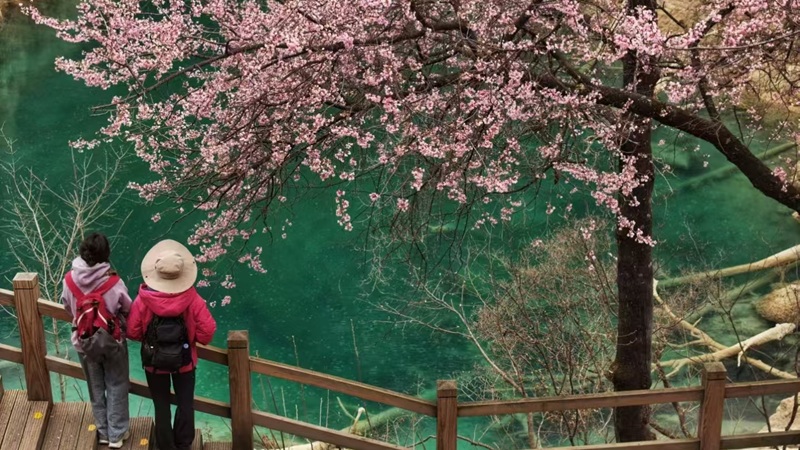
Spring in Jiuzhaigou is a season of renewal. Snow melts gradually, feeding waterfalls and restoring water clarity to the lakes.
Temperature: March: 3–16°C (37–61°F); April: 8–23°C (46–73°F); May: 11–24°C (52–75°F)
What You’ll See: Peach blossoms & azaleas in March–April, fresh greenery throughout the valleys, morning mist over Mirror Lake, clear reflections at Five Flower Lake.
Recommended Highlights: Five Flower Lake, Long Lake, Pearl Shoal Waterfall, Shuzheng Lakes, Nuorilang Waterfall
What to Wear: Daytime: Long-sleeve shirt + light jacket; Evening: Warm coat or sweater. Layering is important due to temperature differences.
Suggested Itinerary: 3 Days: Jiuzhaigou + Huanglong + Spring Flower Viewing; 4 Days: Jiuzhaigou + Jinchuan Pear Blossoms + Siguniang Mountain.
Spring is ideal for hikers and travelers who prefer a calm environment with fewer crowds than autumn.
Summer (June–August)
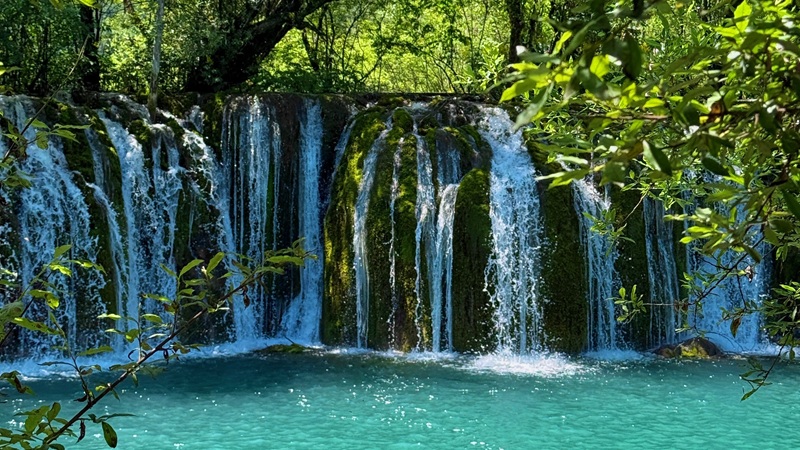
Summer is the rainy season and brings maximum water flow. Temperature: June: 14–27°C; July: 16–29°C; August: 16–30°C.
Why Visit in Summer: Strongest waterfalls of the year, lush alpine forests, vibrant turquoise lakes. Nuorilang Waterfall and Pearl Shoal Waterfall reach peak power.
Seasonal Activities: Enjoy refreshing waterfalls, forest hiking, horse riding in Tibetan villages, grassland camping experiences.
What to Wear: Breathable T-shirt, shorts or light hiking pants, sun-protection jacket, hat, sunglasses, sunscreen.
Suggested Routes: 3 Days: Jiuzhaigou + Dujiangyan + Panda Base; 5 Days: Jiuzhaigou + Siguniang Mountain + Ruoergai Grassland + Huanglong.
July and August are peak domestic travel months. Expect higher hotel prices and more tour groups. Summer is best for families and waterfall lovers.
Autumn (September–November) — Best Overall Season
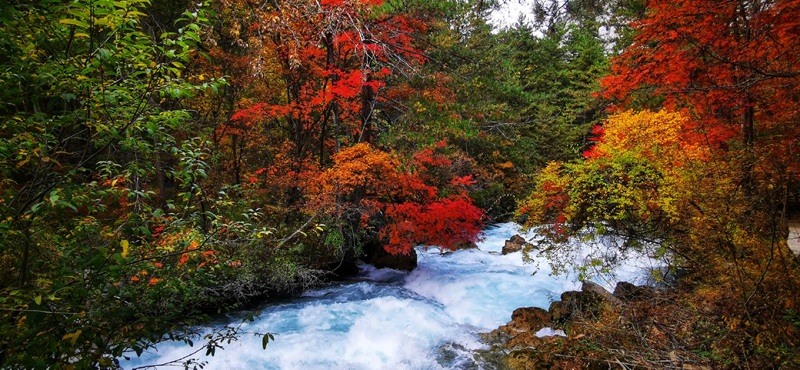
Autumn is widely considered the best time to visit Jiuzhaigou. Temperature: September: 14–26°C; October: 9–19°C; November: 3–16°C.
Autumn Color Timeline: Early October: Early yellow; Middle October: Mixed color stage; Late October: Peak foliage explosion; Early November: Leaves begin falling.
Forests transform into layers of red, gold, orange, and deep green, reflecting perfectly in the turquoise lakes.
Recommended Highlights: Five Flower Lake, Shuzheng Lakes, Mirror Lake, Nuorilang Waterfall, Rhinoceros Lake, Tiger Lake, Reed Lake.
Seasonal Experiences: Red-leaf forest photography, light scenic hiking, hot spring relaxation.
What to Wear: Long sleeves + light coat during the day; warmer sweater or windproof jacket for early morning & evening.
Suggested Routes: 4 Days: Jiuzhaigou + Huanglong + Bipenggou + Dagu Glacier; 5 Days: Jiuzhaigou + Siguniang Mountain + Miyaluo + Huanglong + Dagu Glacier.
Avoid October 1–7 (Golden Week) due to heavy crowds. Best window: Mid-October to early November. Autumn is ideal for photographers and first-time visitors seeking iconic scenery.
Winter (December–February)
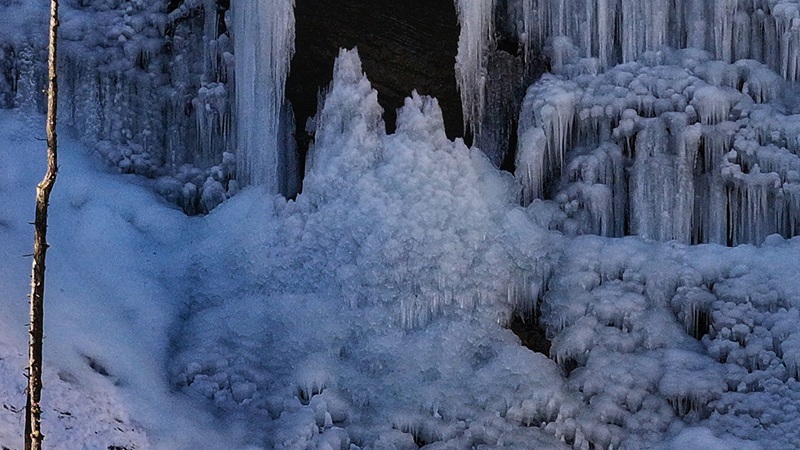
Winter turns Jiuzhaigou into a frozen fairyland. Temperature: December: -3–9°C; January: -3–10°C; February: -2–11°C.
Winter Highlights: Snow-covered landscapes, blue ice formations, frozen waterfalls, rime scenery, hot spring soaking. Some lakes freeze around edges while retaining brilliant blue centers.
What to Wear: Down jacket, thermal underwear, hat, gloves, scarf. Cold mornings require proper winter gear.
Suggested Snow Routes: 4 Days: Jiuzhaigou + Huanglong + Dagu Glacier (Snow Tour); 5 Days: Jiuzhaigou + Siguniang Mountain + Huanglong + Bipenggou + Dagu Glacier.
Pros: Very few tourists, lowest hotel rates, unique icy landscape. Winter is perfect for travelers seeking solitude and snow photography.
Water Levels Explained
Water volume dramatically affects scenery:
- High Water Season (June–August): Powerful waterfalls, energetic atmosphere.
- Moderate Flow (May & September): Balanced waterfalls and lake clarity.
- Low Water Season (December–March): Calm lakes, clearer reflections, exposed rock textures.
If waterfalls are your priority, visit in summer. If reflections and calm atmosphere matter more, choose autumn or spring.
Photography Strategy
- Best light: 9:30 AM – 11:30 AM
- After rain: Misty dramatic scenes
- Autumn: Strongest color contrast
- Winter: Minimalist snow compositions
- Tripod recommended for waterfall long exposure
How to Avoid Crowds
- Enter park at opening time
- Take shuttle to farthest valley first
- Avoid Golden Week
- Travel midweek
- Consider private guided tours
Who Should Visit When?
- Luxury travelers → Mid October to Early November
- Budget travelers → Winter
- Photographers → Mid-October or snowy January
- Families → Summer
- Hikers → May or September
Final Recommendation
If you want classic postcard scenery, visit between mid-October and early November. If you want powerful waterfalls, visit July or August. If you want peaceful travel and lower prices, visit winter. There is no bad season in Jiuzhaigou — only different versions of beauty.
Frequently Asked Questions
- Is October the best time to visit Jiuzhaigou? Yes. Mid-October usually offers peak autumn foliage, but avoid October 1–7 due to heavy crowds.
- Is Jiuzhaigou worth visiting in winter? Yes. Winter offers snow scenery and fewer tourists, though waterfalls are less powerful.
- When are waterfalls strongest? July and August during rainy season.
- What is the coldest month? January, with temperatures occasionally dropping below -5°C.